A quiet yet powerful transformation is unfolding across India’s tribal heartlands, where age-old traditions are being reimagined as engines of economic growth. From forest produce to fashion runways, tribal communities are steadily integrating into global value chains, redefining their role in the modern economy. This evolution reflects a larger shift—from subsistence-based living to enterprise-driven livelihoods rooted in identity, sustainability, and innovation.
The change is on full display at the Bharat Tribes Fest 2026, held from March 18 to 30 at Sunder Nursery. Organized by the Tribal Cooperative Marketing Development Federation of India in collaboration with the Ministry of Tribal Affairs, the festival showcases a vibrant confluence of craft, culture, and commerce. It serves not only as a cultural celebration but also as a marketplace where tribal artisans connect directly with urban consumers and global buyers.
At the heart of this transformation lies a policy-driven ecosystem designed to empower tribal producers. Initiatives such as the Van Dhan Yojana and the expanding Tribes India network are enabling artisans to move beyond raw material supply into value-added production and branding. Through Van Dhan Vikas Kendras, community-led clusters of self-help groups are engaged in processing, packaging, and marketing minor forest produce. These centers are fostering collective enterprise, enhancing incomes, and strengthening bargaining power in competitive markets.
The impact is particularly visible among women, who are emerging as the backbone of this economic shift. Across regions, women-led cooperatives are transforming traditional skills into viable businesses. In Bastar, groups processing mahua and tamarind are no longer confined to local markets; they are participating in formal supply chains with improved earnings and financial independence. Access to institutional support and market linkages has given many women their first formal economic identity.
Parallel to these grassroots efforts is a strategic push to position tribal products in premium markets. The RISA initiative—short for “Timeless Tribal”—is redefining how indigenous crafts are perceived. By combining traditional knowledge with contemporary design and quality standards, RISA is elevating tribal products to compete in high-value domestic and international segments. Collaborations with institutions like the National Institute of Fashion Technology are ensuring that these crafts resonate with modern consumers without losing their cultural essence.
The results are tangible. A Dokhra pendant from Chhattisgarh, once undervalued in local markets, now commands significantly higher prices under certified branding. Similarly, textiles such as Eri and Muga silk from Assam, Kotpad cotton from Odisha, and Toda embroidery from Tamil Nadu are gaining recognition as premium, sustainable products. These developments signal a shift in perception—from tribal goods as artifacts to globally competitive commodities.
Behind these successes are compelling human stories. In Mizoram’s Lawngtlai district, 24-year-old Debongshi Chakma is leading a collective of over 500 members through the Bodhibloom Society. Her work integrates handwoven textiles, bamboo crafts, and traditional food practices into a diversified livelihood model. By collaborating with TRIFED, her products have reached markets far beyond her region, demonstrating how local knowledge can find global relevance.
In Jharkhand, 23-year-old Santhal artisan Urmila Sonwar is translating cultural narratives into handwoven sarees inspired by her village’s landscape and rituals. Her creations are not just garments but expressions of identity, helping bring visibility to indigenous traditions. Meanwhile, in Tamil Nadu’s Nilgiri Hills, Toda artisan Sangeetha continues a delicate embroidery tradition passed down through generations, ensuring its survival in a rapidly changing world.
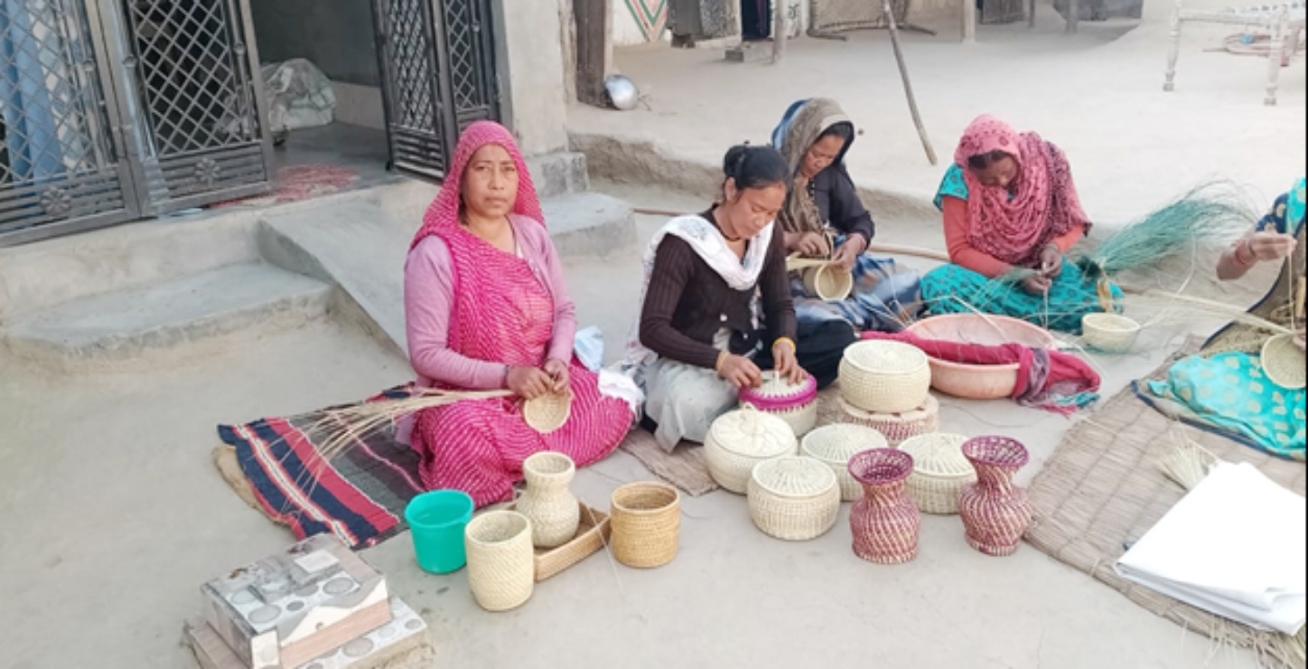
Sustainability remains a defining theme of this transformation. In Uttarakhand, Tharu artisan Anita Rana is turning Munja grass into eco-friendly products, offering alternatives to plastic while creating livelihoods for over 300 women. Her work highlights how traditional ecological knowledge can align with contemporary environmental priorities, making tribal crafts inherently relevant in a sustainability-conscious global market.
As these individual and collective efforts converge, a new economic model is taking shape—one that is inclusive, sustainable, and rooted in cultural authenticity. The expansion of Van Dhan Vikas Kendras, the growth of Tribes India’s retail and e-commerce platforms, and increasing visibility through national events are enabling tribal communities to engage with markets on their own terms. What distinguishes this transformation is its foundation in identity. Tribal artisans are not merely adapting to market demands; they are redefining them. In an era dominated by mass production, the uniqueness of handcrafted, culturally rich products has become a competitive advantage. Machines may replicate designs, but they cannot replicate heritage.
As India looks toward inclusive growth, the rise of tribal enterprises offers a compelling blueprint. It demonstrates that development need not come at the cost of tradition, and that economic progress can be both equitable and sustainable. From forest to fashion, tribal India is not just participating in the global economy—it is reshaping it with purpose, pride, and possibility.
(Source: PIB)


Forest to Fashion Shift
Balancing social welfare expansion, education equity reforms, and industrial growth to build a resilient and inclusive economy


- Trending
- Comments
- Latest










Smart Governance is a community engagement platform bringing together decision-makers and bureaucrats from the Indian Government together through a strategic mix of platforms such as Print, Digital, Live Events, Virtual Events, Research, and Training platforms.