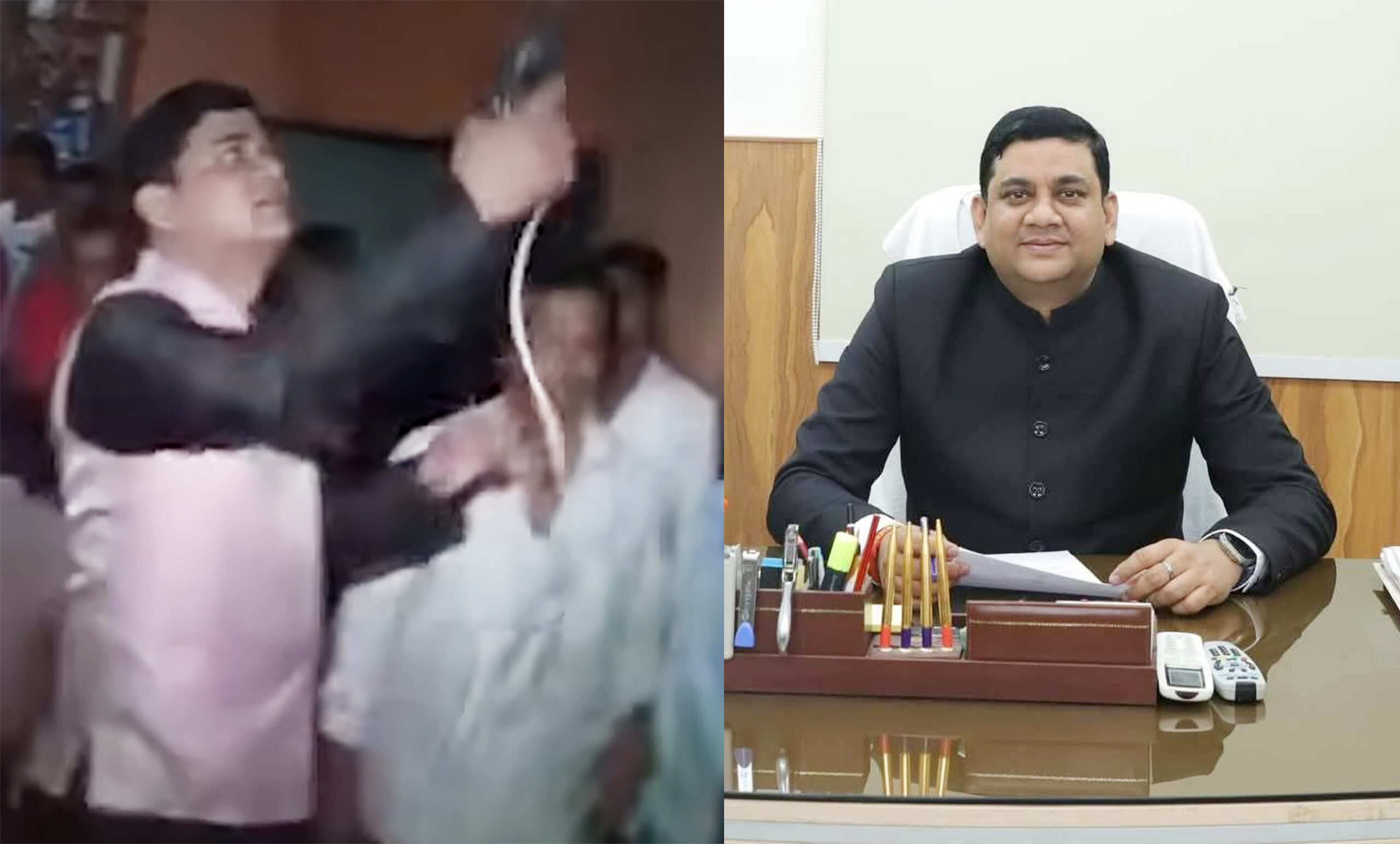
PATNA, Bihar — Viral allegations against Danish Rizwan have sparked widespread debate, with social media platforms playing a key role in amplifying the controversy. The claims, which remain unverified, include references to alleged criminal cases and serious accusations involving misconduct and violence.
According to viral posts, a woman has reportedly approached multiple authorities over the years seeking justice in a case involving several individuals. However, no official confirmation from law enforcement agencies or court records has substantiated these allegations so far. Experts emphasize that viral social media claims should not be treated as established facts without proper investigation.
In a separate but related development, Danish Rizwan has come under attention following a viral firing video controversy. The video, allegedly showing celebratory gunfire, led to a police complaint and an ongoing inquiry. Responding to the situation, Rizwan has denied wrongdoing, stating that the video is either old, taken out of context, or manipulated. He has also suggested possible political motives behind its circulation.
The incident underscores the rising influence of social media in Bihar politics, where viral content can quickly shape narratives. Keywords like Danish Rizwan viral news, Bihar political controversy, and social media allegations in India are trending as users engage with the unfolding story.
Media analysts warn that the rapid spread of unverified information can lead to misinformation and reputational harm. Legal experts reiterate that due process, presumption of innocence, and evidence-based investigation remain fundamental principles in such cases.
At the same time, the situation also highlights the importance of ensuring that individuals who raise complaints have access to safe and fair legal channels. Balancing these aspects is crucial for maintaining public trust in both media and institutions.
The Danish Rizwan controversy reflects the growing power of viral social media claims in India’s political landscape. While public interest continues to rise, the final determination of facts lies with investigation and judicial review. In an era driven by digital amplification, responsible reporting, fact-checking, and adherence to due process are essential to ensure both accountability and fairness.