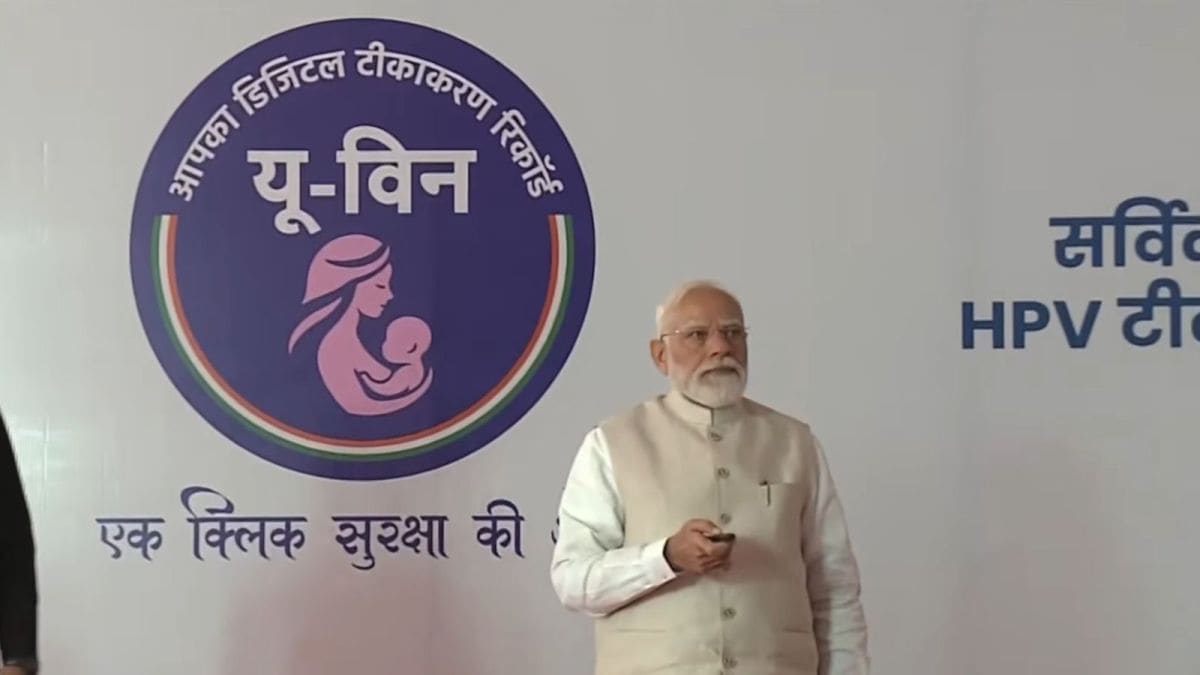
NEW DELHI — A major public health push to shield adolescent girls from cervical cancer has opened a fresh political and ethical debate, even before the first nationwide doses are fully administered.
From a public platform in Ajmer last week, Prime Minister Narendra Modi announced the rollout of a voluntary, free HPV vaccination programme for 14-year-old girls, positioning it as a preventive health milestone aligned with India’s long-term development agenda. Delivered through primary health centres, the campaign seeks to curb one of the country’s most persistent and preventable cancer burdens among women.
Yet the policy’s launch has also revived memories of a decade-old controversy.
In a strongly worded communication to the Prime Minister, Bihar MP Sudhakar Singh questioned the safety narrative surrounding HPV immunization, citing ethical concerns raised during demonstration projects conducted in 2009–10 by PATH, supported by the Bill & Melinda Gates Foundation. Those trials, implemented in Andhra Pradesh and Gujarat, vaccinated over 14,000 girls—many aged between 10 and 14—amid later allegations that parental consent protocols were inconsistently followed.
Subsequent reports of seven deaths during the trial period, alongside complaints of long-term health complications, prompted parliamentary scrutiny. A 2013 Rajya Sabha health committee report chaired by Brijesh Pathak identified procedural lapses and regulatory oversight failures, recommending independent investigation and caution in further rollout decisions. 
While HPV vaccines have since received approval from Indian regulators and are widely deployed globally, Singh’s intervention underscores continuing unease over the absence of a fresh parliamentary audit into the earlier trials.
The public health rationale for vaccination, however, remains substantial. India records an estimated 77,000 to 79,000 new cervical cancer cases annually, accounting for nearly 35,000 deaths each year. Persistent infection with high-risk HPV strains—particularly types 16 and 18—is linked to a majority of these cases. Clinical evidence indicates that timely vaccination before viral exposure can reduce cervical cancer risk by up to 90 percent.
Officials maintain that the present campaign is explicitly voluntary, requires informed parental consent, and will operate under existing adverse event monitoring frameworks. Nonetheless, the resurfacing of past trial concerns has amplified calls for enhanced transparency, updated safety disclosures, and independent monitoring as the programme scales.