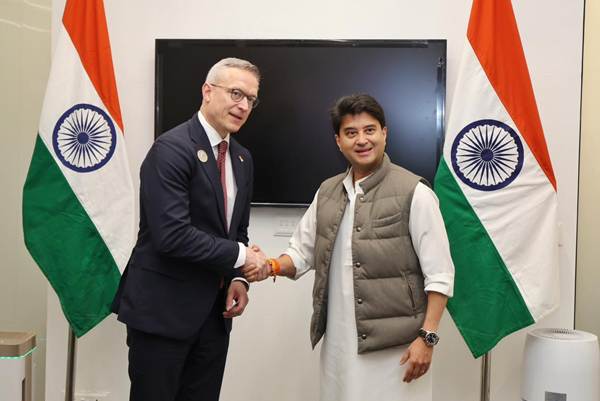
NEW DELHI: In a move that could shape how the next generation of mobile networks and digital services are built, India and Germany have agreed to deepen cooperation in telecommunications and digital transformation — from faster 5G rollout to future 6G standards and secure data networks.
The understanding follows the signing of a Joint Declaration of Intent during the recent India–Germany Summit and was discussed at a bilateral meeting between Union Communications Minister Jyotiraditya M. Scindia and Germany’s Federal Minister for Digital Transformation and Government Modernization Karsten Wildberger at Sanchar Bhawan in New Delhi.
Officials said the agreement creates a structured platform for collaboration in telecom policy, emerging technologies and digital governance, with both sides pushing for time-bound joint work plans in next-generation connectivity and trusted telecom architecture.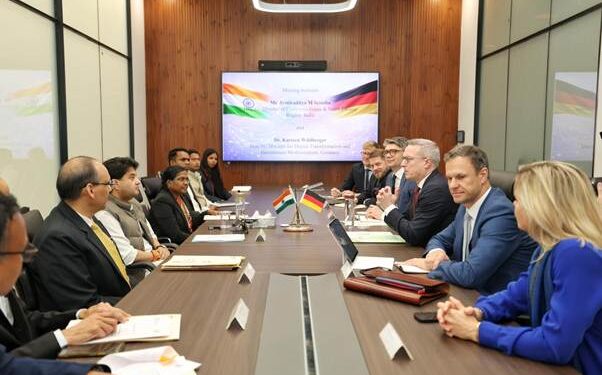
India highlighted its expanding digital ecosystem, including nationwide 5G coverage and scalable Digital Public Infrastructure such as the Unified Payments Interface, while Germany shared expertise in quantum encryption and secure information transport, signaling interest in early engagement on 6G technologies.
Both nations also agreed to work together on Open RAN systems, AI-driven telecom applications, cybersecurity and resilient telecom supply chains, while coordinating efforts at global platforms such as the International Telecommunication Union to support interoperable and secure digital standards.
Institutional collaboration between India’s Centre for Development of Telematics and Germany’s Fraunhofer Heinrich-Hertz Institute in advanced telecom research, artificial intelligence and quantum communication is expected to anchor the partnership going forward.