By JP Gupta
New Delhi : In the heart of Rajasthan’s Thar Desert, where the sun once dictated hardship more than hope, a quiet revolution is unfolding. The same blazing sunlight that scorched lives into submission for generations of rural women is now powering possibility—one solar panel, one village, one woman at a time.
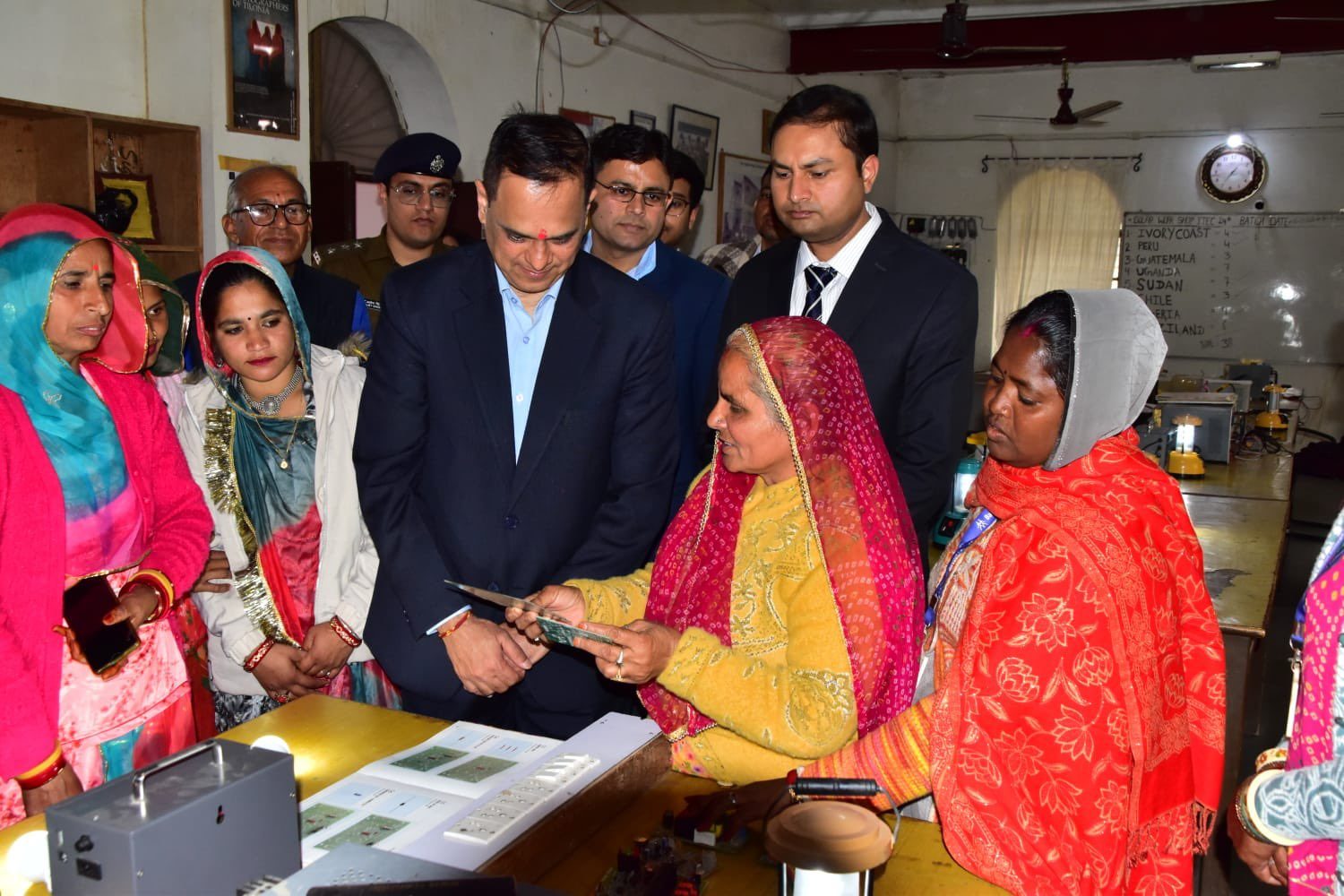
Across dusty hamlets, women in colourful ghagras and once-familiar ghunghats are wielding soldering irons, fixing circuit boards, and wiring homes. They are known as Solar Didis—barefoot engineers who are not just switching on bulbs, but switching on destinies.
Once confined to kitchens and courtyards, these women are today lighting villages, schools, and futures—first in Rajasthan, and now across the world.
From Ghunghat to Gadget: The Rise of Barefoot Engineers
Electricity, for decades, was a luxury whispered about, not lived with. Formal education for many Solar Didis barely crossed primary school. Yet at Rajasthan’s Tilonia-based Barefoot College, tradition meets transformation.
Here, the rules of learning are rewritten. There are no textbooks—only brains and belief. Illiteracy is no barrier. Training relies on colour-coded wires, symbols, hand signs, and repetition. From day one, women assemble lanterns, connect solar panels, repair batteries, and wire homes. Theory follows practice, not the other way around.
Crucially, Solar Didis belong to the villages they serve. They are trusted faces, not visiting technicians—ensuring long-term maintenance, community confidence, and real ownership of energy systems. The transformation is visible. Women who once hesitated to speak now confidently troubleshoot inverters and rooftop panels. Silence gives way to skill. Dependence gives way to authority.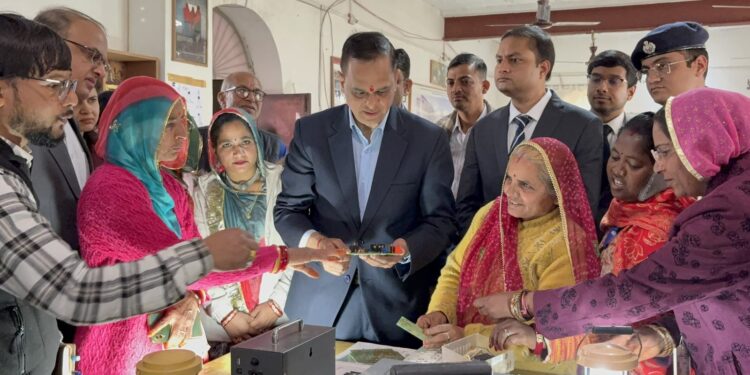
Power That Changes More Than Homes
The impact of a Solar Didi is measured not just in watts, but in worth. In deeply conservative landscapes—where a woman’s world often ended at the doorstep—solar power redraws the map of possibility. Steady incomes bring economic independence and a voice in household decisions. A woman repairing a circuit board commands instant respect. Smoky kerosene lamps vanish, improving health and safety. Children gain three to four extra study hours every evening under clean, reliable light. Where kerosene once drained money and lungs, solar energy now fuels confidence, leadership, and community resilience.
A Day with Santosh Devi, Solar Didi
Santosh Devi could be any one of hundreds of Solar Didis across Rajasthan—part homemaker, part engineer, fully revolutionary. Her day begins before sunrise, chores made quicker by solar-powered lights. By mid-morning, she is at the village solar centre—checking voltages, cleaning panels, soldering lanterns, reviving dead batteries.
After lunch, toolkit in hand, Santosh moves door to door—installing new systems, teaching families how to maintain panels, how to store power, how to trust the sun. By late afternoon, she joins online mentoring sessions using visual manuals—guiding women from Senegal, Fiji, and beyond. Empowerment, she proves, needs no common language. By dusk, when lights glow across her village, Santosh has already powered dozens of lives.
Rajasthan’s Glow Goes Global
What began as a quiet experiment in Rajasthan’s desert villages now shines far beyond its sands. The Solar Didi model has travelled across Africa, Southeast Asia, and Latin America, where women replicate the same barefoot engineering spirit—learning, building, repairing, and leading with sunlight as their ally.
Different cultures, same courage.
Different skies, the same sun.
From hamlets once defined by darkness, women are no longer waiting for electricity. They are creating it.
When the Sun Sets, Their Story Rises
As twilight settles over the golden dunes of Rajasthan, thousands of tiny lights blink on. They are more than bulbs. They are symbols—of dignity, sustainability, and quiet defiance. The Solar Didis prove that revolutions do not always roar. Sometimes, they glow. With soldering irons in steady hands and sunlight on their side, these women are lighting homes, securing livelihoods, rewriting roles, and reminding the world that true power often begins at the grassroots—where ordinary women dare to become extraordinary engineers, and where the future arrives not with fanfare, but with a glow.